Sleep wellness in Indonesia comes with its own set of challenges that most generic sleep advice simply does not address. Life across the archipelago, whether in the fast-moving pace of Jakarta, the creative energy of Bali, or the growing urban centres of Surabaya and Bandung, creates a rhythm that can work against restful sleep in ways that are easy to overlook. Year-round heat and humidity, late social gatherings, irregular work schedules, and the constant connectivity of modern urban life all contribute to a sleep environment that many Indonesians find genuinely difficult to manage. If you have ever found yourself lying awake in the small hours with the fan running and your mind still active from the day, you are far from alone. Getting quality sleep in Indonesia requires understanding what makes this environment unique and making deliberate adjustments that work with your body rather than against it.
Quick Overview
- Indonesia's tropical heat, humidity, and late social culture all directly affect sleep quality.
- Your circadian rhythm can be disrupted by irregular schedules, late light exposure, and inconsistent daily routines.
- Simple adjustments to your evening routine can significantly improve how quickly and deeply you fall asleep.
- Your sleep environment, including your mattress and bedding, plays a major role in managing heat and humidity at night.
- Natural, breathable materials support deeper sleep in tropical climates without relying solely on air conditioning.
Why Sleep Is Harder in Indonesia Than You Might Expect
Indonesia is a country of energy, community, and warmth in every sense. That same vitality that makes daily life rich also makes proper rest more difficult to achieve. Social gatherings often run late into the evening, evening street food culture keeps neighbourhoods active well past midnight, and the heat and humidity that characterise the tropical climate make the body work harder just to maintain a comfortable temperature through the night.
This shift in daily rhythm pushes mealtimes, social engagement, and screen time later into the night, which in turn delays the body's natural preparation for sleep. Bright artificial lighting from smartphones, televisions, and commercial areas further suppresses melatonin production at the time when the body should be winding down. The result is a population whose circadian rhythm is frequently running behind schedule, making it genuinely difficult to fall asleep at a reasonable hour regardless of how tired you feel.
The Impact of Indonesia's Tropical Climate on Sleep Quality
Heat is one of the most significant barriers to sleep quality in Indonesia. The body naturally lowers its core temperature as part of the process of falling asleep. Research in sleep physiology shows that this drop in temperature helps signal the transition from wakefulness to sleep. In an environment where ambient temperatures remain high even after dark, this cooling process is slowed considerably.
Unlike Dubai's dry heat, which at least allows sweat to evaporate quickly from the skin surface, Indonesia's humid conditions slow evaporation significantly. Sweat accumulates rather than dispersing, the skin feels persistently warm and damp, and the body struggles to offload the internal heat it needs to release before deep sleep can begin. Air conditioning helps considerably but is not available in every home, and even where it is used, the sleep surface itself plays an equally important role in managing body temperature through the night.
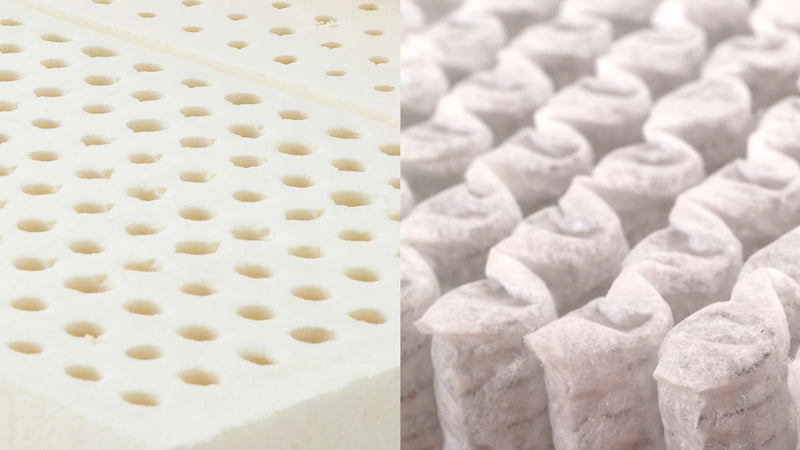
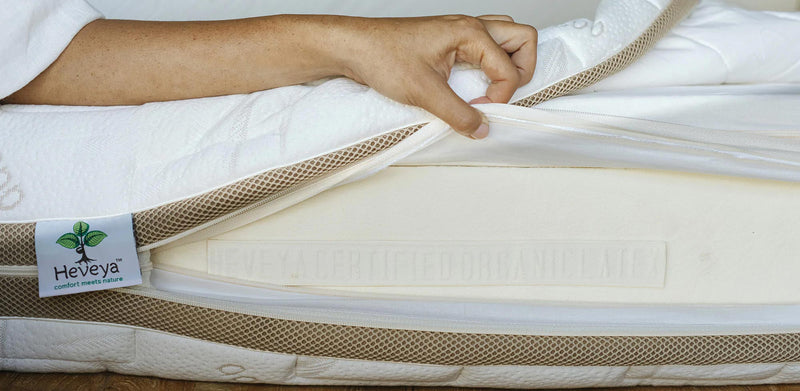
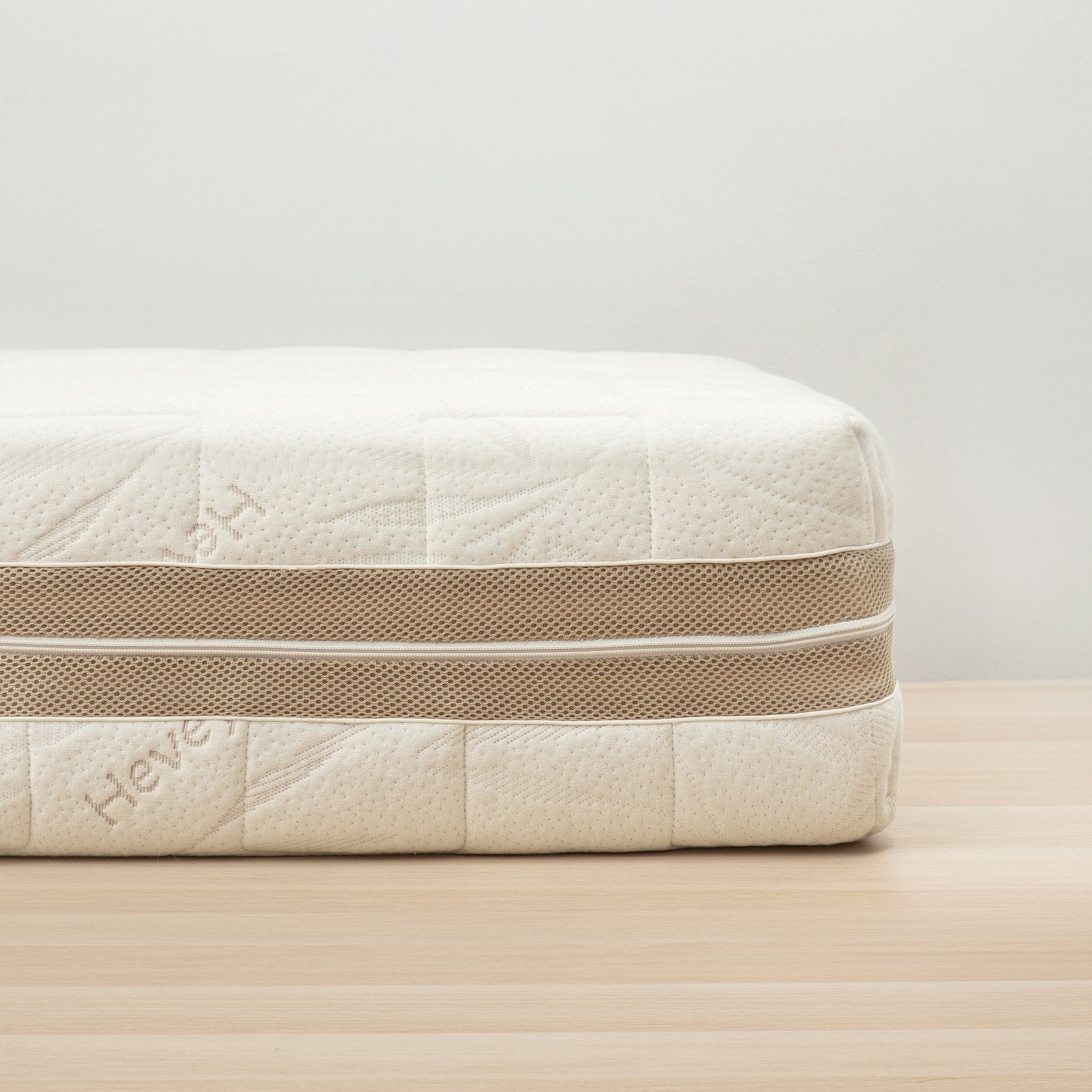
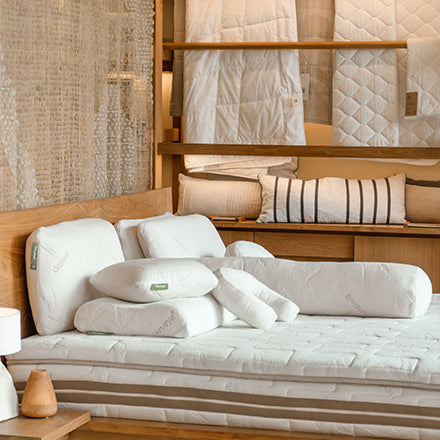
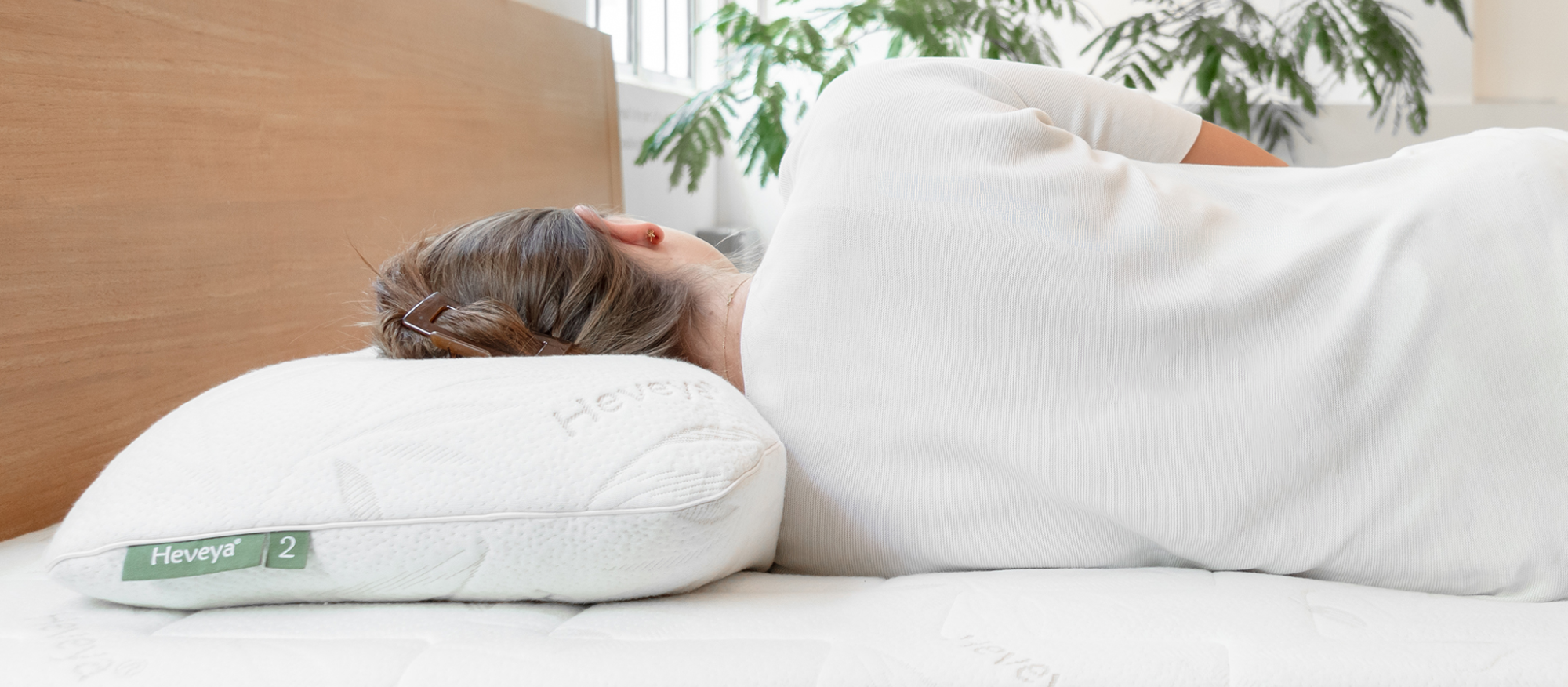
A breathable sleep surface makes a measurable difference in this environment. Natural organic latex mattresses allow air to circulate through their open-cell structure, reducing heat accumulation beneath the body. Paired with bedding made from natural fibres, this creates a more stable and comfortable thermal environment through the night without depending entirely on mechanical cooling.
How to Adjust Your Sleep Routine for Indonesian Life
Set a Consistent Sleep and Wake Time
Your circadian rhythm is governed by consistency above almost everything else. Even if your social schedule varies, anchoring your wake time to the same hour every morning, including weekends, is the single most effective way to regulate your body clock. Over time, a consistent wake time naturally pulls your sleep onset earlier and improves the depth of sleep you experience each night.
Manage Light Exposure in the Evening
Bright light suppresses melatonin production, the hormone that signals your body to prepare for sleep. In Indonesia, where evenings are often spent in brightly lit social settings or in front of screens, melatonin release can be delayed significantly. Dimming the lights at home from around 9PM and reducing screen brightness in the hour before bed helps your body begin its natural wind-down process at the right time.
Time Your Evening Meal Carefully
Late dining is common across Indonesia, particularly in cities where evening street food culture is deeply embedded in daily life. Eating a large meal close to bedtime elevates body temperature and keeps the digestive system active during the hours when your body should be cooling and quieting. Aim to finish your last meal at least two hours before sleep. Indonesian diets are often rich in carbohydrates such as white rice, which can cause blood sugar to spike and dip through the night. Balancing the evening meal with adequate protein and vegetables supports more stable overnight blood sugar and more restful sleep.
Manage Your Sleeping Environment
If air conditioning is available, set it to between 18 and 21 degrees Celsius for sleeping. If you rely on a fan, position it to create airflow across the body rather than directly at the face, which can dry nasal passages and cause discomfort. Using lightweight, breathable bedding from natural fibres allows the body to regulate its own temperature more effectively, even without full air conditioning.
Sleep and Indonesia's Urban Working Rhythms
In Jakarta and other major Indonesian cities, long commute times, demanding work schedules, and late evening social engagements combine to create a pattern where sleep is often the first thing to be sacrificed. Many urban professionals sleep significantly later on weekends than on weekdays, a phenomenon known as social jet lag. Social jet lag produces the same physiological effects as crossing time zones, including daytime fatigue, reduced concentration, and difficulty falling asleep at the start of the working week.
Keeping the difference between your weekday and weekend sleep times to under 60 to 90 minutes significantly reduces this effect. It requires some discipline, but the improvement in Monday morning alertness and overall weekday sleep quality is worth the adjustment.
Ramadan and Sleep in Indonesia
Indonesia is home to the world's largest Muslim population, and during Ramadan the daily rhythm of life shifts dramatically for a significant portion of the country. Suhoor before dawn, iftar after sunset, and tarawih prayers in the late evening create a schedule that is almost entirely inverted from the body's natural light-based rhythm. Sleep is often broken into segments, with rest taken before suhoor and again after fajr prayer.
During this period, the quality of each sleep segment matters more than its duration. A cool, dark, and quiet sleep environment allows the body to reach deeper stages of rest more efficiently within shorter windows. A breathable mattress and lightweight natural bedding help the body recover more fully from these shortened rest periods, even in Indonesia's warm and humid nights.
Choosing the Right Sleep Environment for Indonesia's Climate
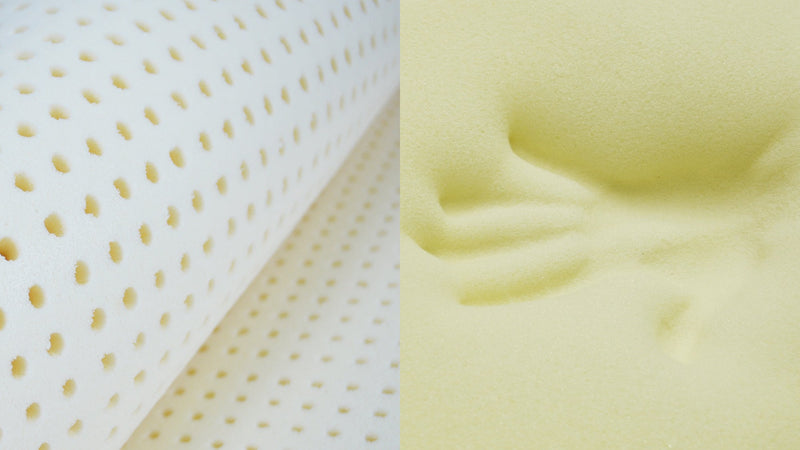
The sleep surface you choose has a direct impact on how comfortably your body temperature is managed through the night. Memory foam mattresses retain body heat and can become uncomfortably warm in Indonesia's humid climate, even with air conditioning. Spring mattresses allow more airflow but often lack the pressure relief needed for genuinely restorative sleep.

Natural organic latex offers a strong combination of breathability, pressure relief, and durability. Its open-cell structure allows air to move freely through the mattress, preventing the heat build-up that disrupts sleep in warm, humid environments. For bedding, bamboo lyocell and European flax linen are both excellent choices for Indonesia's climate. Bamboo lyocell is exceptionally soft, moisture-wicking, and cooling to the touch, making it particularly effective where humidity is a persistent factor. Linen becomes softer with every wash, regulates temperature naturally, and feels crisp and breathable even on the warmest and most humid nights.
Common Sleep Mistakes in Indonesia
Relying on a fan or air conditioning without addressing the sleep surface is one of the most common mistakes. Mechanical cooling helps the ambient air temperature but does not prevent heat from accumulating between the body and a heat-retentive mattress. Another frequent issue is using thick or synthetic bedding out of habit, which traps moisture and heat against the skin in a way that is particularly uncomfortable in humid conditions.
Inconsistent sleep timing across the week is equally damaging. Many Indonesians sleep well on weeknights but significantly disrupt their rhythm over the weekend, creating a cycle of fatigue that compounds across the working week. Addressing timing before investing in sleep products often produces faster and more noticeable improvements.
Ready to Sleep Better in Indonesia?
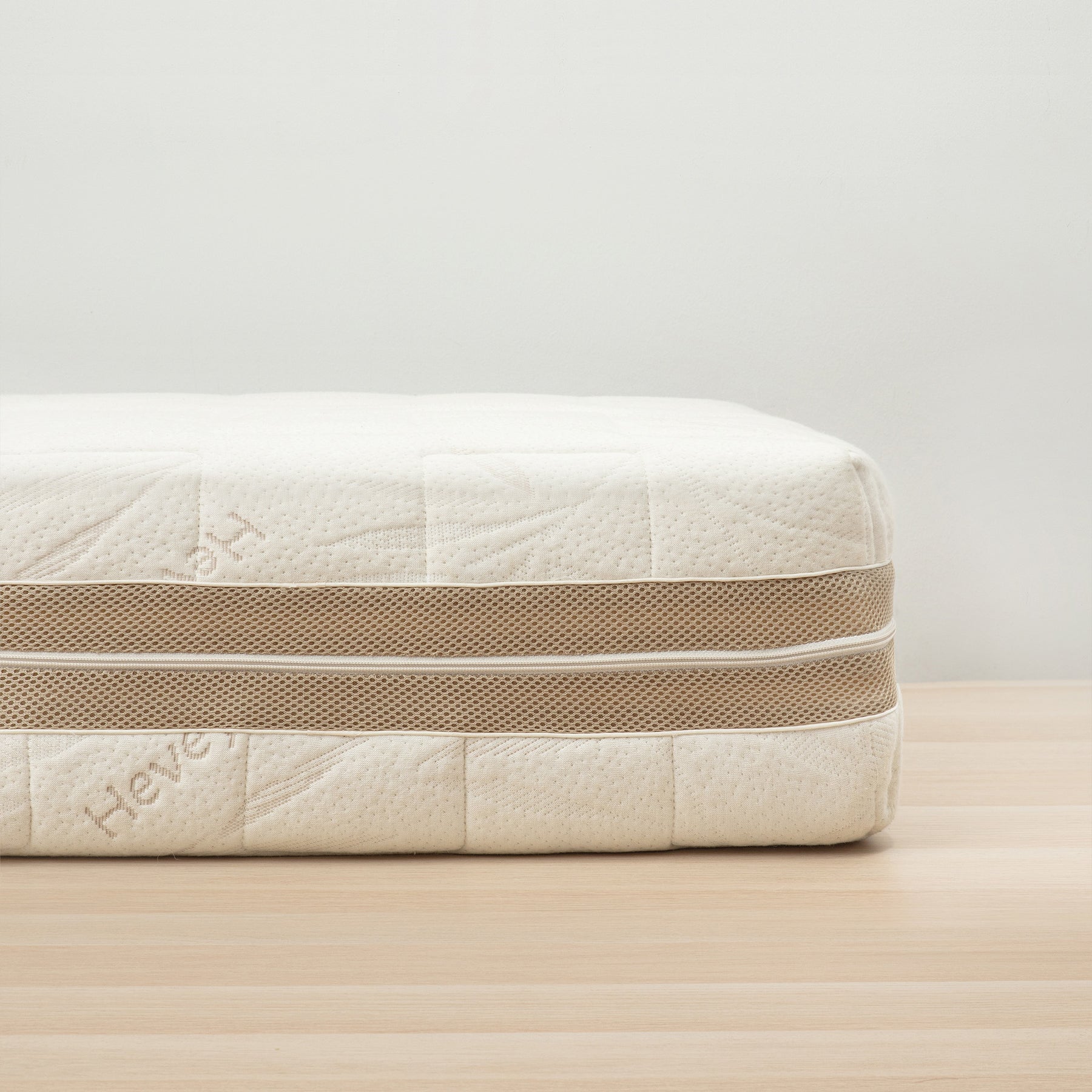
Explore Heveya's range of natural organic latex mattresses and breathable natural bedding designed to support deep, restorative sleep in tropical climates. If you would like personalised guidance, our sleep consultants are here to help you find the right combination for your needs and your environment.