If you've ever bought sheets that looked beautiful in the shop but felt thin, scratchy, or too warm after a few washes, you're not alone. Most shoppers fixate on thread count only to find it tells them far less than they expected about how high-quality bed sheets actually feel or last.
GSM is the measurement that actually matters. It tells you how much substance a fabric has: how it'll feel on your skin, how well it'll breathe on warm nights, and whether it'll still look good after a year of washing. And yet it almost never gets the explanation it deserves.
Quick Overview
- GSM stands for grams per square metre it measures how much a fabric weighs per unit of area.
- A lower GSM means a lighter, airier, more breathable sheet. A higher GSM means a denser, heavier feel.
- GSM and thread count are different measurements. GSM is harder to manipulate and more honestly reflects fabric substance.
- The right GSM depends on your climate, your sleep temperature, and the fibre you choose.
- Natural fibres like organic cotton, linen, and bamboo behave differently at the same GSM always consider fibre alongside weight.
What Does GSM Mean in Fabric?

GSM stands for grams per square metre. It's a direct measurement of how much a fabric weighs per unit of area. The higher the number, the more fibre is packed into each square metre and the heavier, denser, and more substantial the sheet will feel. The lower the number, the lighter and more breathable the fabric will be.
This measurement is used across the entire textile industry, from T-shirts to towels to bed linen. When it comes to bedding fabric weight, GSM is one of the most reliable, objective indicators available it can't be inflated or engineered. It's simply physics.
To put the range in context: a lightweight sheet designed for tropical climates typically sits around 100 to 130 GSM. A quality everyday cotton sheet falls between 130 and 160 GSM. A dense flannel sheet the kind designed for cold winters can reach 170 GSM and above. These aren't arbitrary numbers. They shape how the fabric feels, breathes, and performs night after night.
GSM vs Thread Count: Why GSM Is the More Honest Metric
Thread count the number of horizontal and vertical threads woven into one square inch of fabric is probably the term you've heard most. Brands market it aggressively as the gold standard of quality. It isn't.
A very high thread count can actually signal lower quality. Manufacturers sometimes twist thinner, weaker threads together to inflate the count artificially, creating a denser weave that feels heavy while also being fragile and prone to pilling. GSM for sheets is harder to game. It's a physical measurement.
A sheet marketed as 1,000 thread count can feel scratchy and thin within months. A 300 thread count sheet at 155 GSM in certified organic percale cotton can feel genuinely luxurious and last for years. Thread count tells you about weave structure. Sheet GSM tells you about substance. Look at both numbers when you shop but give GSM the weight it deserves.
What Different GSM Ranges Actually Mean for Your Sleep

Low GSM: 100 to 130 - Lightweight and Breathable
Sheets in this range are light, fine, and exceptionally breathable. They feel cool against the skin and allow excellent airflow, making them ideal for anyone who sleeps hot or lives in a warm, humid climate.
If you're in Singapore, Hong Kong, Indonesia or anywhere across Southeast Asia, low-to-mid GSM sheets are worth prioritising year-round. Night-time temperatures rarely drop enough to make a heavier sheet comfortable, and humidity compounds the issue. A sheet that traps heat even slightly can meaningfully disrupt sleep quality.
The trade-off: very low GSM fabrics can feel delicate and may not offer the sense of structure that some sleepers prefer. If you love breathable bed sheets but still want something that feels substantial, the 120–130 range is a strong entry point.
Mid-Range GSM: 130 to 160 - The Everyday Sweet Spot
For most people, in most climates, sheets in this range strike the right balance. They feel soft and substantial without being heavy, breathe well, and tend to hold their shape and texture after repeated washing. This is the high-quality bed sheet range that works year-round in air-conditioned bedrooms and temperate climates alike.
At Heveya, our organic cotton bedding is designed with this balance in mind natural comfort without sacrificing durability or breathability.
Higher GSM: 160 and Above - Dense, Warm, and Enveloping
Heavier sheets are best suited to cooler environments: winter months, rooms kept at low temperatures, or climates where night-time temperatures genuinely drop.
170 GSM flannel sheets are a good example brushed for softness, warm to the touch, and ideal for cold nights. In a warm climate or an insufficiently air-conditioned room, the same sheet becomes a liability, trapping body heat and disrupting sleep. Higher GSM doesn't mean better quality. It means a warmer, denser fabric. Match it to your environment.
GSM by Fabric Type: Why Fibre Matters as Much as Weight
The same GSM number feels very different depending on the fibre. This is one of the most important things to understand when comparing organic cotton, linen, bamboo, or weighted sheets.
|
Fabric Type |
Typical GSM |
Feel & Performance |
|
Organic Cotton (Percale) |
130–160 GSM |
Crisp, cool, breathable, durable. Softens beautifully with washing. |
|
Organic Cotton (Sateen) |
140–170 GSM |
Smooth, silky surface. Slightly warmer than percale at the same weight. |
|
Linen |
150–200 GSM |
Naturally heavier but exceptionally breathable. Softens over time. Ideal for warm climates. |
|
Bamboo |
110–150 GSM |
Silky-soft and moisture-wicking. Feels lighter than cotton at the same GSM. |
|
Flannel (Cotton) |
170–230 GSM |
Warm, brushed, cosy. Best for cold climates and winter use. |
Linen illustrates this clearly. At 180 GSM, a linen sheet still feels cool and breathable because of how the fibre is structured it promotes airflow even at a higher weight. A synthetic fabric at the same GSM would trap heat and leave you uncomfortable. The fibre is doing at least as much work as the number. This is why natural organic bedding isn't just an ethical preference it's a practical one.
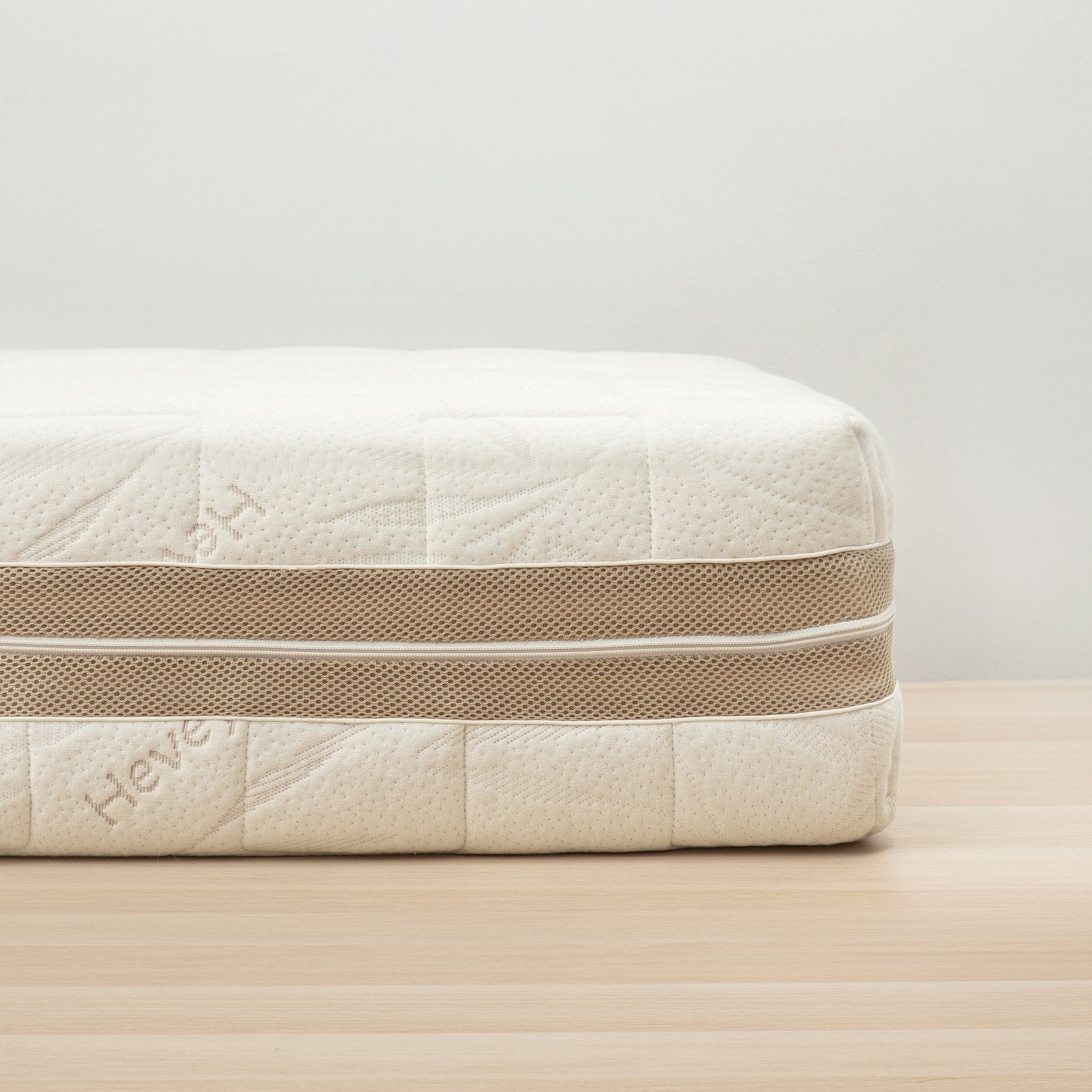
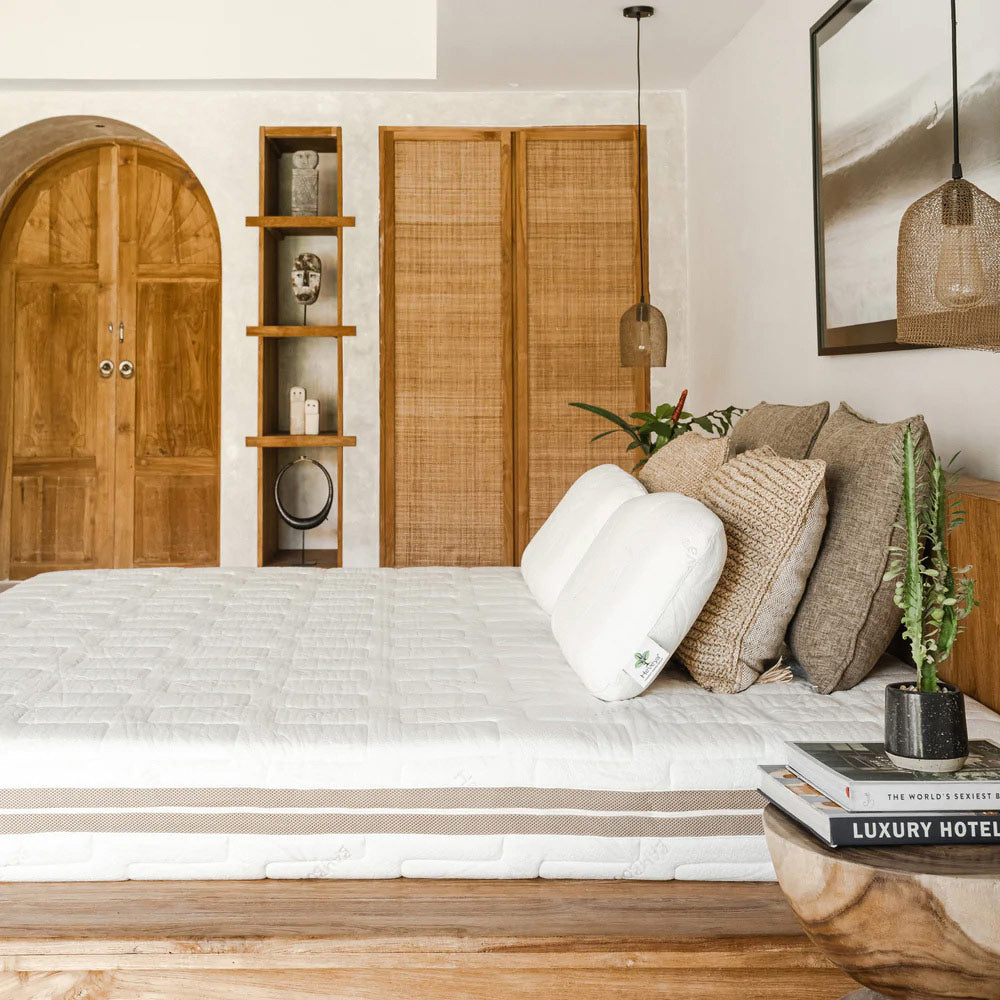
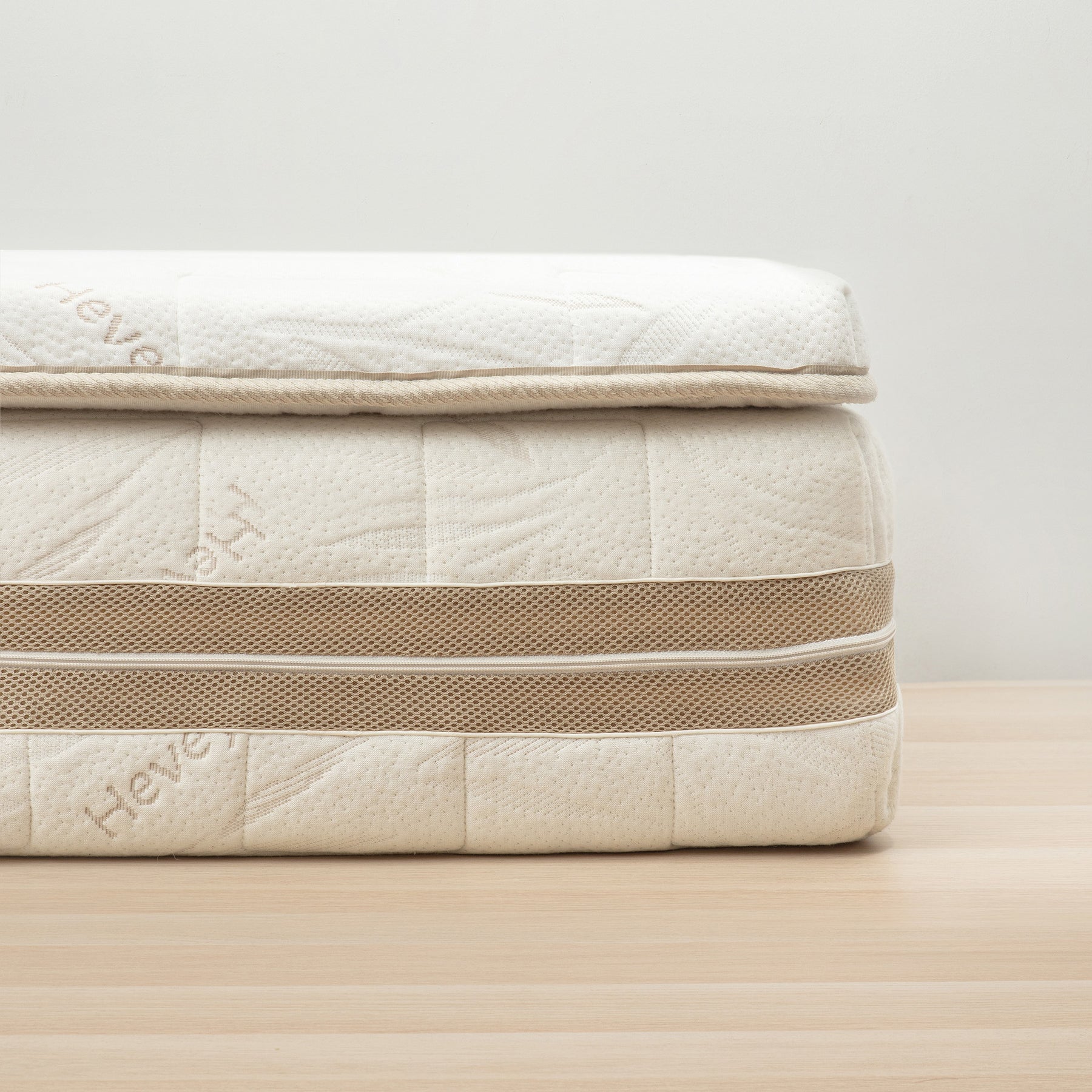
Our organic latex mattresses are designed to breathe naturally too. Pairing them with sheets at the right GSM lets the whole sleep system work the way it should.
How to Choose the Right GSM for Your Sheets

What's your climate? If you live somewhere warm and humid, aim for 100 to 140 GSM in a breathable natural fibre year-round. If you experience cool winters, keep a heavier option around 160 GSM and above for the colder months and rotate seasonally.
How do you sleep? People who sleep hot consistently do better with lower GSM sheets, regardless of season. If you share a bed with someone who runs warmer or cooler, a mid-range GSM in a breathable natural fibre tends to be the best compromise for both.
How important is durability? A slightly higher GSM in a quality natural fibre often means a more robust fabric that holds up to frequent washing. Very lightweight sheets can feel wonderful initially but thin out or pill faster if the fibre quality isn't there to support the weave.
Common Mistakes to Avoid
Assuming higher GSM always means better. In a tropical climate, a heavy sheet traps heat and disrupts sleep no matter how luxurious it felt in the shop. Always match the weight to your environment.
Ignoring GSM in favour of thread count. Thread count is easy to inflate and tells you far less than most people assume. Focus on the fibre, the weave, and the GSM together.
Comparing GSM across different fibre types without context. A 150 GSM linen sheet and a 150 GSM cotton sateen sheet are very different in feel and thermal performance. The number only makes sense alongside the fibre type.
Ready to Find Your Perfect Organic Bedding?
Understanding GSM takes the guesswork out of buying sheets. At Heveya, we're clear about every fabric we use the weight, the fibre source, and the certifications behind it. Explore sheets and bedding designed to suit your sleep naturally, or let our team help you find what suits you best.
Explore Heveya organic bedding and sleep better, naturally.