Bali and Jakarta’s humidity is relentless. At 80 per cent and above for most of the year, the warm, moist air that surrounds us every day does not stop at the bedroom door. It works its way into mattresses and for most people, the damage is well underway before they notice a thing.
By the time you smell something musty or spot the first patch of discolouration on your mattress surface, the mould has usually already spread deep into the foam or filling below. And it is not just unpleasant. A moisture-compromised mattress actively works against your sleep, your health, and your wallet.
The good news: this is entirely preventable. Here is what is actually happening, and what to do about it.
Quick Overview
- Indonesia’s 80%+ humidity creates ideal conditions for mould, dust mites, and structural mattress breakdown often within the first few years
- Memory foam and polyurethane foam are the worst performers in humid climates: they trap heat, absorb moisture, and degrade fast
- Natural organic latex is inherently mould-resistant and dust mite-resistant, and maintains its support in tropical conditions for 15–20+ years
- The three most impactful protective habits: a breathable mattress protector, a slatted bed base, and monthly airing
- If your mattress smells musty or you are waking up with allergy symptoms, damage may already be occurring inside
What Humidity Actually Does to Your Mattress
Most mattress damage from humidity is invisible until it is serious. Understanding the process helps explain why some materials survive Indonesia’s climate and others simply do not.
When warm, moisture-laden air enters a mattress through the surface, the sides, or from below it is absorbed by the internal materials. Dense synthetic foams like memory foam and polyurethane have nowhere to release that moisture. It sits inside, warm and trapped, creating exactly the conditions that mould, mildew, and bacteria need to grow.
Dust mites compound the problem. They thrive in temperatures above 25°C and humidity above 70% both of which are standard in Bali and Jakarta bedrooms, particularly without consistent air conditioning. A single mattress can harbour millions of them, and their waste is one of the most common indoor allergens.
Beyond the biological risks, sustained moisture degrades the physical properties of your mattress. Foam softens faster, losing the supportive structure that was the point of the purchase. Springs in hybrid and innerspring mattresses begin to corrode. Sagging arrives years ahead of schedule. In temperate climates, these are long-term risks. In Indonesia, they happen on an accelerated timeline.
What Mattress Damage Smells Like and What It Means
That faintly musty smell from your mattress is not just stale air. It is one of the earliest signs of mould or mildew growth inside the layers you cannot see. If you notice it, take it seriously.
How to get the smell out of your mattress:
Strip the bed completely. Sprinkle a generous layer of baking soda across the entire surface and leave it for at least four hours longer if possible. Vacuum it thoroughly, then position a fan to circulate air across the surface for several hours. Repeat on the underside if the mattress can be turned.
This will address surface odour, but if the smell returns within a few weeks, the source is likely deeper inside the mattress, which baking soda cannot reach. At that point, replacement is usually the more honest solution.
How Natural Latex Performs Differently in Humid Conditions

It is inherently mould-resistant and dust mite-resistant
Natural organic latex is derived from the sap of Hevea brasiliensis rubber trees. The material contains naturally occurring compounds that are inhospitable to dust mites and resistant to mould not as a surface treatment or added chemical that wears off, but as a structural property of the material itself.
For Indonesia’s climate, this distinction matters enormously. A mould-resistant mattress that achieves that resistance through a spray-on coating will lose that property as the coating degrades over time. A dust mite-resistant mattress made from natural latex maintains that resistance for the life of the product.
Its open-cell structure breathes where foam cannot
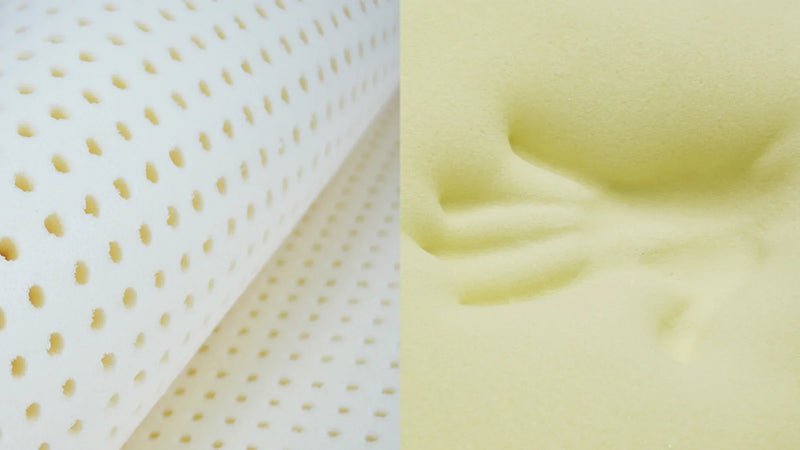
Unlike memory foam or polyurethane foam which have dense, closed-cell structures that trap air (and heat, and moisture) natural latex has an open-cell structure with perforations running through the core. Air circulates freely. Heat and moisture dissipate rather than accumulate.
In practice, this means a cooler sleeping surface and a far less hospitable environment for the biological growth that humidity encourages.
It holds its structure, where the foam softens
Heat and moisture accelerate the softening of synthetic foam. Natural latex is not susceptible to the same degradation. In Bali and Jakarta’s tropical conditions, a well-cared-for natural latex mattress will maintain its support and resilience for 15 to 20 years three to four times the lifespan of a typical memory foam mattress in the same environment.
Mattress Types and Their Performance in Indonesia’s Climate
Not all mattresses respond to humidity the same way. Here is a straightforward comparison for Indonesian conditions.
|
Mattress Type |
Humidity Resistance |
Mould / Dust Mite Risk |
Heat Retention |
Lifespan in Tropics |
|
Heveya Natural Organic Latex Mattress |
High |
Low (inherently resistant) |
Low (open-cell, breathable) |
15–20+ years |
|
Memory Foam Mattress |
Low |
High (traps heat & moisture) |
High (dense closed-cell) |
3–7 years |
|
Polyurethane Foam Mattress |
Low |
High |
High |
4–8 years |
|
Hybrid Mattress |
Moderate |
Moderate (foam layers absorb) |
Moderate |
7–10 years |
|
Synthetic Latex Mattress |
Moderate |
Moderate |
Moderate |
8–12 years |
Memory foam, the most popular mattress type globally, is among the worst performers in a high-humidity climate like Indonesia’s. If you are shopping for a mattress in Bali or Jakarta and comparing natural latex against memory foam, this is the single most important difference to understand.
How to Clean Mould Off Your Mattress (And When to Stop Trying)
If you have spotted mould on your mattress surface, act quickly. Surface mould can sometimes be addressed if caught early; mould that has penetrated to the inner layers generally cannot.
For surface mould on a mattress:
1. Take the mattress outside or to a well-ventilated area if possible
2. Mix one part rubbing alcohol with one part water, or use a diluted white vinegar solution (equal parts water and white vinegar)
3. Lightly dampen a clean cloth with the solution do not soak the mattress
4. Blot, do not scrub, the affected area. Scrubbing spreads spores
5. Allow the mattress to dry completely in a well-ventilated space or under a fan before remaking the bed
6. Sprinkle baking soda over the area once dry, leave for two to four hours, then vacuum thoroughly
When cleaning is not enough: If the mould covers a large area, the mattress has a persistent smell even after treatment, or allergy symptoms continue despite cleaning, the damage is likely internal. No surface treatment can address mould growth inside the core layers. Replacement is the safer and more cost-effective decision.
Practical Steps to Protect Your Mattress in Indonesia

The right mattress material is the foundation, but care habits matter regardless of what you sleep on. These are the highest-impact steps.
Use a breathable, waterproof mattress protector
A quality mattress protector creates a physical barrier between your body and the mattress surface blocking sweat, moisture, and the allergens that accumulate over time. Look for natural materials such as organic cotton with a breathable waterproof membrane. Avoid thick, non-breathable plastic covers: they protect the mattress but trap heat at the surface, making the sleeping experience worse.
Elevate your mattress for airflow underneath
Mattresses placed directly on solid bases, or on the floor, trap moisture against the underside. This is one of the fastest ways to develop mould on the bottom of a mattress in Bali and Jakarta’s climate. A slatted base with gaps no wider than 6 to 8 centimetres between slats allows air to circulate beneath the mattress and prevents moisture from pooling below.
Air your mattress monthly
Once a month, strip the bed entirely and let the mattress breathe for several hours. If possible, position a fan to move air across the surface. This is especially important after sustained periods of rain or high humidity, and for mattresses in bedrooms without consistent air conditioning.
Keep indoor humidity between 50 and 60 per cent
A dehumidifier or well-maintained air conditioning system brings indoor relative humidity into the range that is safe for both your mattress and your sleep quality. If your bedroom is particularly prone to moisture ground floor, north-facing, or poorly ventilated a small standalone dehumidifier is a worthwhile addition.
Remove and dry clean your mattress cover regularly
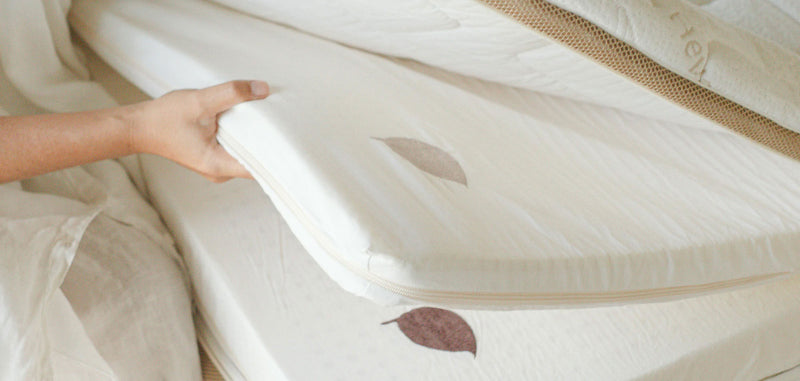
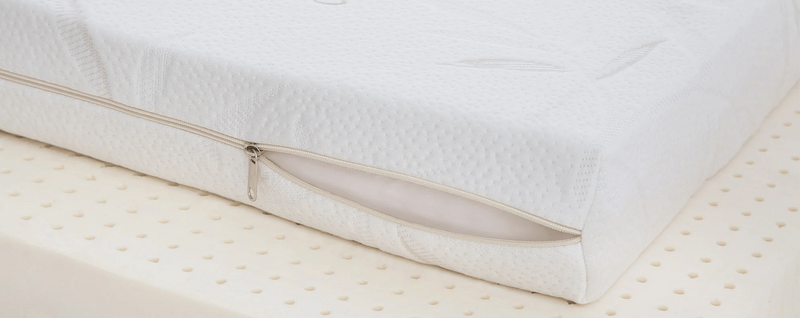
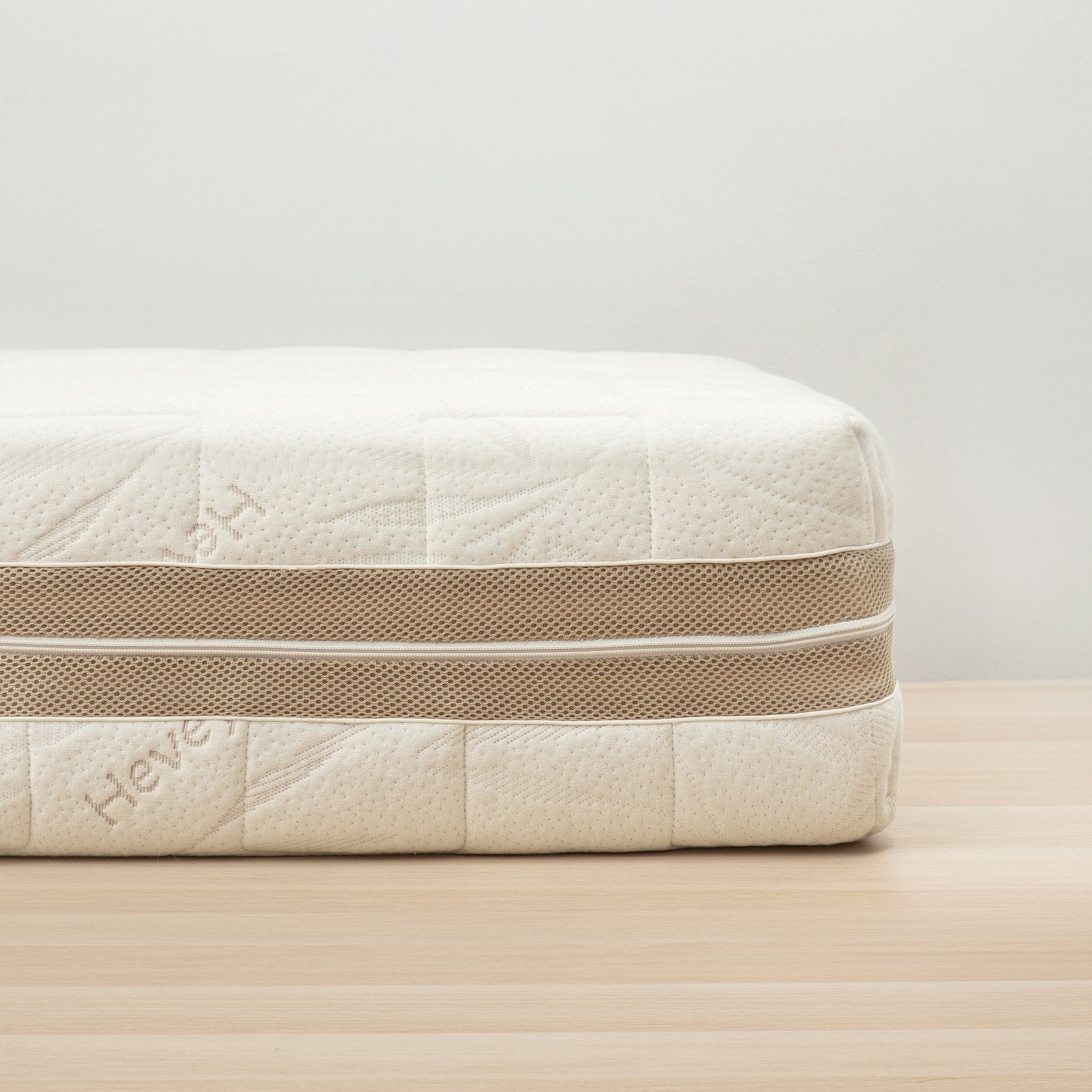
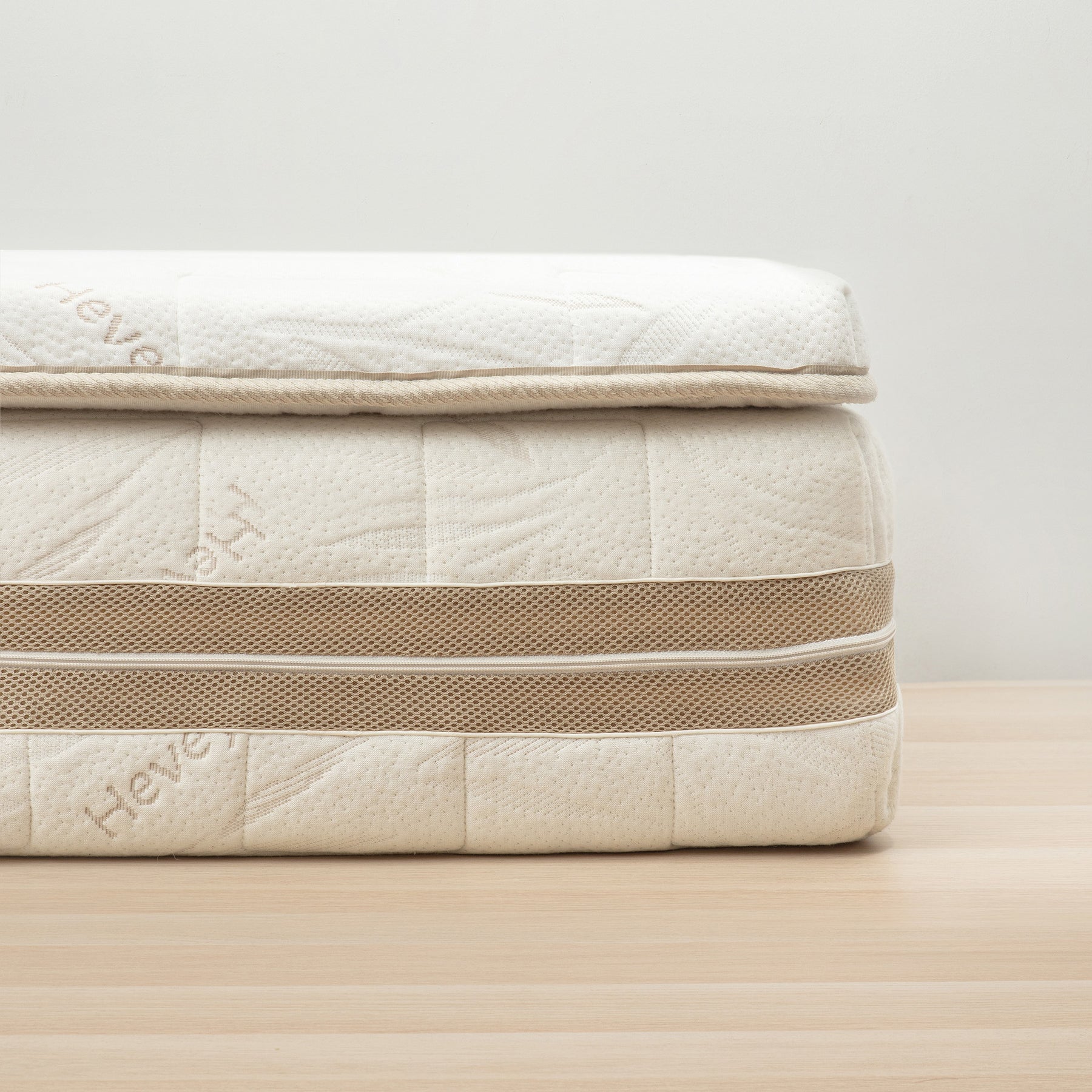
Heveya mattress covers are fully removable and suitable for dry cleaning making it straightforward to keep the sleep surface genuinely fresh, not just surface-clean. Removing the cover every year (or whenever needed) and having it professionally dry cleaned eliminates the allergen and moisture build-up that accumulates even when you cannot see it. This is one of the most underrated steps for maintaining a hygienic sleep environment in Indonesia's climate.
Rotate your mattress every three to four months
Regular rotation distributes wear evenly and prevents the same surface areas from accumulating concentrated moisture from body heat and perspiration. Most latex mattresses are not designed to be flipped, but rotating head-to-foot every few months is simple and effective.
Common Mistakes That Accelerate Humidity Damage
Leaving damp linen on the bed
It sounds obvious, but wet towels or damp sheets left on the mattress even briefly introduce concentrated moisture directly into the surface layers. In Bali and Jakarta’s climate, this is one of the most common contributors to early mould growth.
Ignoring early warning signs
A faintly musty smell, new allergy symptoms at night, or visible discolouration on the mattress surface are early signals that humidity damage is occurring. Acting quickly airing the mattress, replacing a damaged protector, treating surface spots can prevent minor issues from becoming serious ones. Waiting rarely helps.
Choosing a mattress based on price alone
In Indonesia’s climate, a lower-cost synthetic foam mattress often costs significantly more over time, once you account for earlier replacement, health impacts from allergen exposure, and the sleep quality lost to a mattress that has degraded ahead of schedule. A high-quality latex mattress chosen for its climate performance is a more economical long-term decision.
Using a topper to fix a compromised mattress
A topper can mask surface discomfort from a mattress that has lost its support. It cannot address mould or structural damage already present in the core layers. If the mattress underneath is compromised, replacement is the only real solution.
Ready to Sleep Better in Indonesia’s Climate?
If you are sleeping on a mattress that was not designed for tropical conditions, it may already be working against you.
Heveya’s natural organic latex mattresses are made from certified Hevea sap, naturally breathable, and built to perform in Bali and Jakarta’s humidity.
Not sure which mattress is right for your sleep? Visit the Heveya Sleep Studio to speak with the team and find the right fit for your bedroom, budget, and sleeping style.