If you've been browsing bedding options and found yourself wondering what exactly bamboo cotton is, and how it compares to bamboo lyocell, you're not alone. Both fabrics are made using bamboo as a base material, and both are praised for being soft and breathable, though the way they are produced, how they feel on the body, and how they perform over time are quite different. Understanding the distinction helps you make a choice that suits your sleep needs, your climate, and your values.
Bamboo-derived fabrics have grown in popularity in recent years as textile manufacturers explore alternatives to conventional cotton and synthetic fibres.
Quick Overview
- Bamboo cotton is a blend of bamboo-derived fibre and cotton; bamboo lyocell is a single fibre produced through a closed-loop process.
- The production method affects softness, breathability, durability, and environmental impact.
- Both fabrics are generally gentle on skin and suitable for sensitive skin.
- Bamboo lyocell is generally considered the more eco-friendly option.
- Your climate and how you sleep can guide which one is the better choice for you.
What is Bamboo Cotton?
Bamboo cotton is a blended fabric that combines bamboo-derived fibre with natural cotton. The bamboo component is typically processed as viscose or rayon, meaning the bamboo stalks are broken down chemically into a pulp, and the cellulose fibres are then extracted, spun, and woven. Cotton fibres are then blended in at varying ratios, often 60–70% bamboo to 30–40% cotton, though proportions vary by brand.
The cotton content adds structure and durability to the fabric. Cotton fibres are strong and stable, which means bamboo cotton sheets tend to hold their shape well through repeated washing. The bamboo component contributes softness, moisture-wicking, and breathability. The result is a fabric that feels comfortable and familiar to many sleepers, particularly those who appreciate the natural texture of cotton but want the added cooling benefits of bamboo.
What is Bamboo Lyocell?
Bamboo lyocell is a pure fabric derived entirely from bamboo pulp, produced through a closed-loop manufacturing process. This process dissolves bamboo cellulose using a solvent that is then recovered and reused in a closed-loop process, which significantly reduces chemical waste compared with conventional viscose production. So very little waste or chemical discharge enters the environment. The resulting fibre is spun into a soft, smooth yarn and woven into fabric.
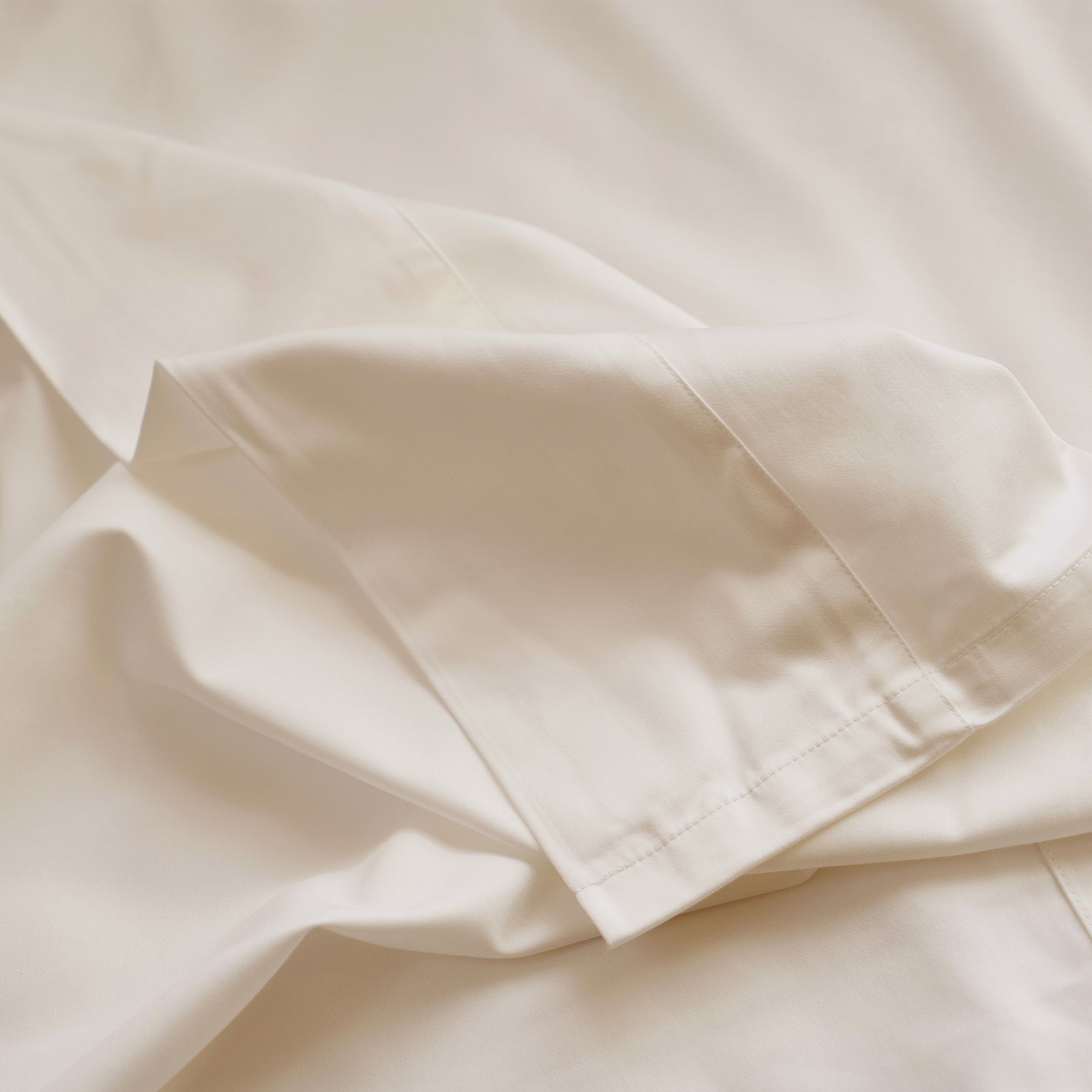
Because lyocell fibres are produced in a more controlled spinning process, creating a smoother and more uniform fibre structure, the fabric has a notably silky texture, excellent drape, and strong wet strength: meaning it holds its shape well even when damp. Bamboo lyocell is often compared to silk in its feel, though it is considerably more durable and easier to care for.
How Bamboo Cotton and Bamboo Lyocell Compare
Both fabrics are gentle on skin, naturally breathable, and kind to people with allergies. But there are meaningful differences worth understanding before you choose.
Softness and Texture
Bamboo lyocell tends to feel slightly silkier and smoother because of its longer, more uniform fibres. Bamboo cotton has a soft but slightly more textured feel, closer to what you'd expect from a premium cotton sheet. Neither fabric is rough or stiff. The choice is largely a matter of personal preference for how you like your bedding to feel against your skin.
Breathability and Temperature Regulation
Both fabrics are breathable and moisture-wicking, making them well-suited to warm and humid climates. Bamboo lyocell is often perceived as slightly cooler than bamboo cotton because of its smooth fibre structure and moisture-wicking properties. In warmer climates or for people who sleep hot, this can make a noticeable difference.
Durability
The cotton component can add structural stability to the fabric, which may help bamboo cotton sheets tolerate frequent washing. Bamboo lyocell is also durable when cared for correctly, but it benefits from a gentler wash cycle and lower drying temperatures than bamboo cotton.
Environmental Impact
Bamboo lyocell has a lower environmental footprint because of its closed-loop production process. Solvent recovery means minimal chemical waste enters water systems. Bamboo cotton may offer environmental advantages compared with synthetic fabrics, though the exact impact depends on how the fibres are processed and sourced, but the cotton content means more water usage in cultivation, and the bamboo viscose process uses more chemicals than the lyocell process.
| Feature | Bamboo Cotton | Bamboo Lyocell |
| Composition | Bamboo viscose + cotton blend | 100% bamboo lyocell fibre |
| Feel | Soft, slightly textured | Silky, smooth |
| Breathability | Good | Excellent |
| Durability | Very good | Good with proper care |
| Eco credentials | Good | Excellent (closed-loop) |
| Best for | Cotton familiarity + softness | Hot sleepers & eco-conscious |
How to Care for Each Fabric

Both bamboo cotton and bamboo lyocell respond well to a gentle machine wash on a cool cycle (30°C is ideal) using a mild liquid detergent. Avoid fabric softeners, which can coat the natural fibres and reduce their moisture-wicking properties. Bamboo cotton can generally tolerate slightly warmer water and a standard tumble dry on low heat. Bamboo lyocell benefits most from air drying or tumble drying on the lowest setting to preserve fibre length and prevent shrinkage.
Neither fabric likes high heat or harsh bleaching agents. With proper care, both will soften beautifully over time and last for several years.
Which One Should You Choose?

The right choice depends on your sleep habits, your climate, and what matters most to you. If you love the feel of cotton but want more breathability and softness than standard cotton provides, bamboo cotton is a natural step up. It's also a practical choice if you prefer bedding that handles regular washing with minimal fuss.
If you sleep hot, live in a warm and humid climate, or prioritise both tactile softness and environmental responsibility, bamboo lyocell is likely to suit you better. Its temperature-regulating properties are particularly valued in tropical regions, where staying cool through the night is a priority year-round.
Find Your Perfect Sheets
Not sure which fabric is right for you? Visit a Heveya showroom to feel both fabrics in person. Explore Heveya's bamboo lyocell sheets and bamboo cotton sheets to find what feels right for you.